
For much of the modern corporate era, a company’s primary obligation was understood in fairly narrow terms — deliver returns to shareholders, and most other considerations followed at a respectful distance behind that central priority. That framing has shifted considerably in recent years, as growing numbers of consumers, employees, and investors alike have begun demanding a broader definition of corporate success, one that genuinely accounts for environmental and social impact alongside pure financial performance.
This shift isn’t purely altruistic on the part of businesses, and it would be naive to pretend otherwise. Genuine competitive pressure, evolving regulation, and shifting stakeholder expectations have all played a significant role in pushing sustainability and ethical practice from a peripheral concern into genuine business strategy. Below, we look at four dimensions of this shift: the maturing of ESG as a business framework, growing supply chain accountability, the rise of purpose-driven brands, and how investors themselves are increasingly factoring sustainability into their decision-making.
ESG Comes of Age
Environmental, Social, and Governance considerations — commonly abbreviated as ESG — have moved from a relatively niche corporate reporting framework into a genuinely mainstream business consideration, shaping everything from investment decisions to executive compensation structures at a growing number of major companies.
This maturation hasn’t been entirely smooth. Early ESG frameworks faced legitimate criticism for inconsistent measurement standards, allowing companies considerable latitude in how they reported and framed their own performance, sometimes creating a genuine gap between reported ESG credentials and actual, substantive practice. Growing regulatory attention and more standardised reporting requirements in many jurisdictions have gradually addressed some of these inconsistencies, though genuine variation in quality and rigour across different ESG ratings and frameworks remains a real consideration for anyone trying to make meaningful comparisons between companies based on their reported ESG performance.
Despite these genuine growing pains, the underlying shift towards businesses being expected to measure and report on their broader impact, not simply their financial performance, represents a genuinely significant change in corporate accountability. Companies that have embraced this shift authentically, rather than treating it as a purely reputational exercise, increasingly report genuine business benefits as a result — improved talent attraction and retention, stronger customer loyalty, and often, over the longer term, more resilient business models better positioned for a genuinely changing regulatory and consumer landscape.
Supply Chain Accountability
As consumer and regulatory scrutiny has intensified, businesses have faced growing pressure to understand and take genuine responsibility for their entire supply chain, not simply their own direct operations — a considerably more complex undertaking than it might initially sound, particularly for larger businesses with genuinely global, multi-tiered supply networks.
This shift has been driven partly by high-profile incidents that exposed serious labour and environmental problems deep within supply chains that companies had previously claimed limited visibility into, and partly by growing regulatory requirements in many jurisdictions specifically mandating supply chain due diligence and reporting. Technology has played a meaningful role in making this kind of comprehensive supply chain accountability more genuinely achievable, with improved tracking and verification systems offering considerably greater visibility into supply chains than was practically possible even a decade ago.
Genuine supply chain accountability requires considerably more than simply requiring supplier certifications on paper, however. It increasingly demands ongoing verification, genuine collaborative relationships with suppliers around improvement rather than purely punitive compliance demands, and a willingness to make difficult decisions — including ending relationships with suppliers unable or unwilling to meet genuine standards — even when doing so carries real short-term cost or supply chain disruption. Businesses genuinely committed to this level of accountability tend to build considerably more resilient, trusted supply relationships over time as a direct result of this more rigorous, collaborative approach.
The Rise of Purpose-Driven Brands
Consumer expectations around corporate purpose have shifted considerably, with a growing number of consumers, particularly younger demographics, actively favouring brands that demonstrate genuine alignment with their own values, rather than treating corporate purpose as an entirely separate consideration from purchasing decisions themselves.
This shift has prompted many businesses to more clearly articulate their own purpose and values, though the genuine business risk here lies in the gap between stated purpose and demonstrated practice, with consumers increasingly savvy about identifying and calling out purpose-driven marketing that isn’t genuinely backed by substantive action. Businesses that have successfully built genuine purpose-driven brands tend to share a common trait: consistency between what they publicly claim and what they actually do, even when that consistency requires genuine trade-offs or short-term cost that a purely profit-maximising approach might avoid.
This growing consumer expectation extends well beyond specifically “green” or environmentally focused businesses, shaping expectations across nearly every sector, from fashion to food to financial services and technology. Understanding and responding to this shift authentically, rather than through superficial marketing alone, increasingly represents genuine competitive necessity rather than optional differentiation, particularly as younger generations of both consumers and talent increasingly prioritise natural, values-aligned choices across nearly every area of their lives, purchasing decisions very much included.
How Investors Are Responding
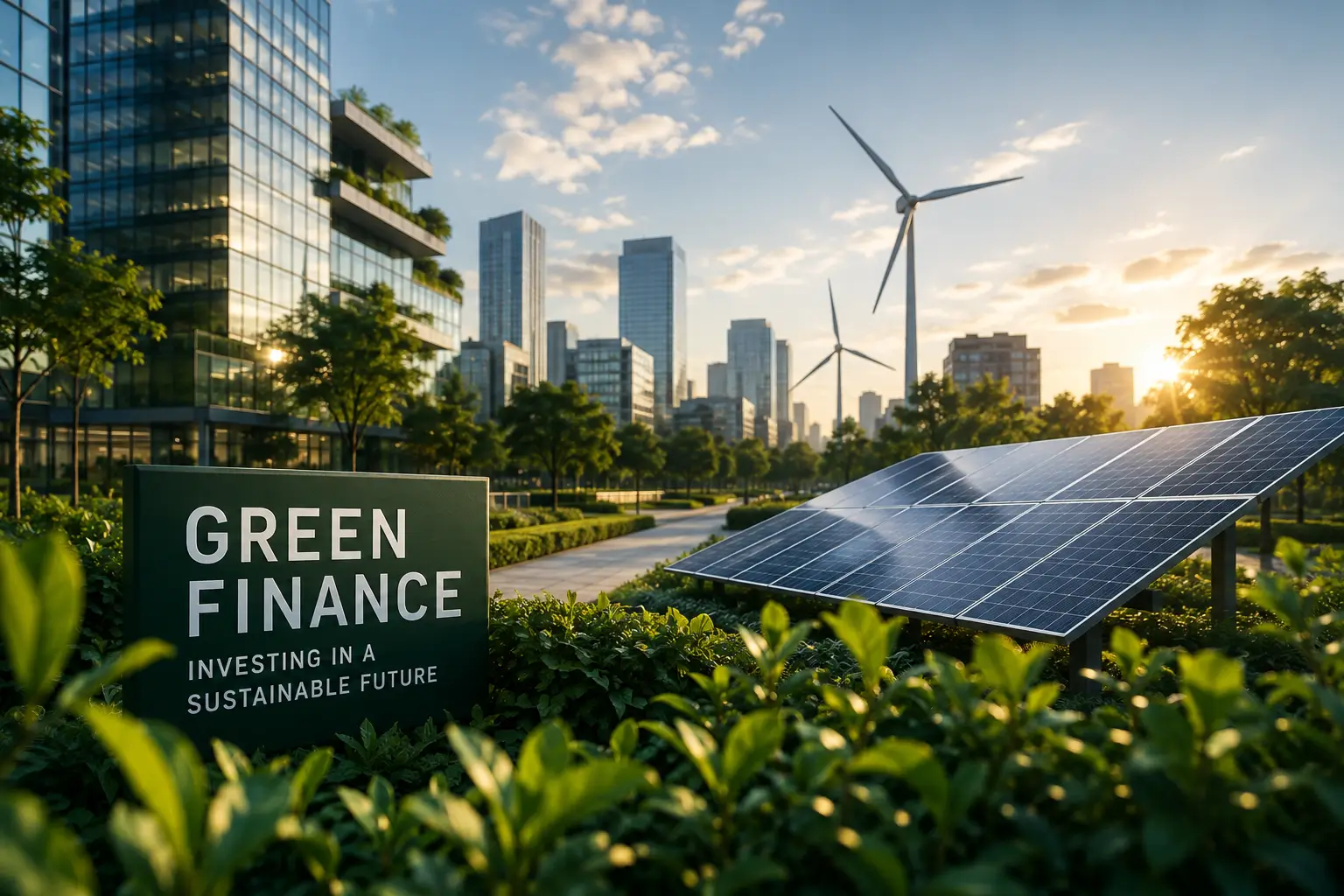
Investor behaviour has shifted considerably alongside broader corporate and consumer trends, with sustainable and ethical investing moving from a genuinely niche investment category into a significant, rapidly growing segment of the broader investment landscape, reflecting real demand from both individual and institutional investors alike.
This shift reflects more than purely values-driven investment motivation, though that genuinely plays a meaningful role for many investors. A growing body of evidence suggests that companies with genuinely strong ESG practices may carry lower long-term risk profiles, better positioned to navigate evolving regulation, changing consumer expectations, and genuine environmental and social disruption than companies that have failed to meaningfully adapt to these broader shifts. This has prompted growing institutional investor interest in ESG factors as a genuine risk management consideration, not simply an ethical add-on layered onto otherwise conventional investment analysis.
That said, genuine due diligence remains essential for investors specifically seeking sustainable or ethical investment options, given ongoing inconsistency in how different funds and companies define and report their own sustainability credentials. Much of this due diligence ultimately comes back to understanding the genuine underlying science and evidence behind environmental claims, rather than relying purely on a fund or company’s own self-reported sustainability narrative.
The rise of the conscious company reflects a genuine, if still evolving, shift in how business success is defined and measured. Companies that embrace this shift authentically — through genuine ESG practice, real supply chain accountability, consistent purpose-driven action, and transparency with increasingly sophisticated investors — are increasingly better positioned for durable, long-term success in a business landscape that looks considerably different from the one that existed even a decade ago.