
The home represents one of the most significant areas where genuinely meaningful sustainable choices can be made, given both the substantial resource footprint of running a household and the fact that many sustainability-focused home upgrades deliver genuine financial return alongside their environmental benefit, making the case for investment considerably easier than in areas where sustainability and cost genuinely compete against each other.
Unlike some areas of sustainable living that require ongoing behavioural discipline to maintain, many home-based sustainability improvements are essentially one-time investments that continue delivering benefit passively for years afterward. This article explores four areas where sustainable home upgrades tend to offer the most genuine, lasting impact: energy efficiency fundamentals, sustainable materials and furnishings, water conservation, and approaching renovation projects with genuine environmental mindfulness built in from the outset.
Energy Efficiency: The Foundation of a Sustainable Home
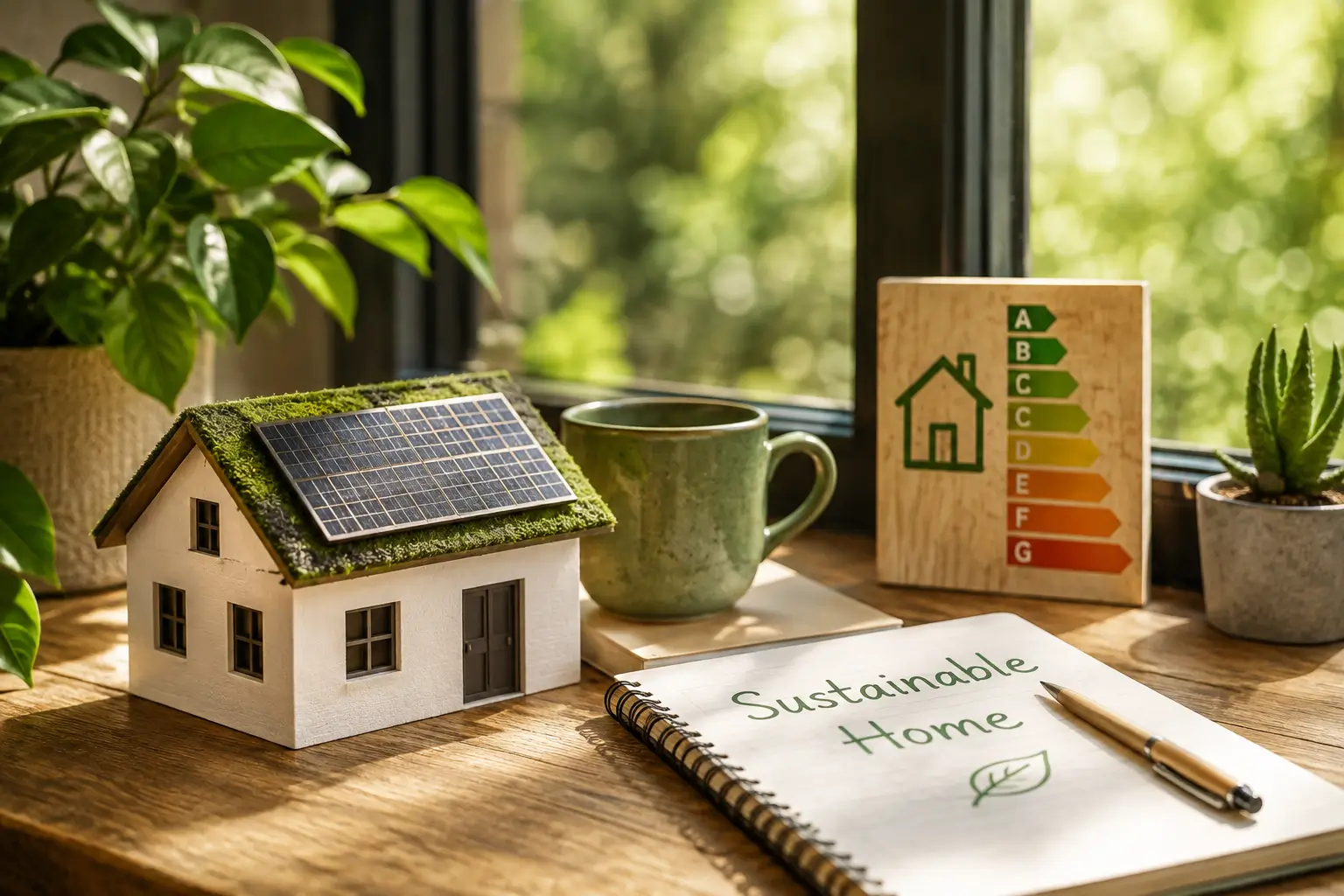
Energy efficiency remains the single most impactful area for sustainable home improvement, offering a genuinely compelling combination of environmental benefit and meaningful financial savings that makes it considerably easier to justify than purely values-driven sustainable choices without a clear financial upside attached.
Insulation improvements consistently rank among the most cost-effective sustainable home upgrades available, addressing one of the most significant sources of unnecessary energy waste in a huge proportion of existing housing stock. Loft, wall, and floor insulation all offer genuinely strong returns relative to their cost, often paying for themselves within a relatively modest number of years through reduced heating costs, while simultaneously and meaningfully reducing a household’s overall carbon footprint for the remaining lifespan of the property.
Heating system upgrades represent a further significant opportunity, with heat pumps in particular gaining considerable traction as a genuine, lower-carbon alternative to traditional gas boilers, even though the higher upfront cost and, for some properties, genuine suitability questions mean this particular upgrade requires more careful individual assessment than simpler measures like improved insulation. Smart heating controls offer a more modest but still genuinely worthwhile intermediate step, allowing considerably more precise, efficient heating management without the significant upfront cost of a full heating system replacement.
Sustainable Materials and Furnishings
Beyond the structural and mechanical elements of a home, the materials and furnishings chosen throughout also carry meaningful environmental weight, an area of sustainable home design that’s received growing attention as awareness has expanded beyond simply energy use alone.
Choosing furniture built to genuinely last, constructed from responsibly sourced materials, represents one of the more straightforward sustainable choices available within home furnishing, offering the same underlying “buy better, buy less often” logic that applies across sustainable consumption more broadly. Secondhand and vintage furniture, in particular, has grown considerably in popularity, offering genuine environmental benefit alongside unique character that mass-produced, new furniture often lacks entirely.
Material choice for flooring, worktops, and other significant home surfaces deserves similar consideration, with genuinely sustainable options — reclaimed wood, natural stone, responsibly sourced materials more broadly — increasingly available at a range of price points that make sustainable choices considerably more accessible than they were even a few years ago. Paint and finishes deserve particular mention too, with low-VOC options offering genuine indoor air quality benefits alongside their reduced environmental impact, an aspect of sustainable home design that’s often overlooked relative to more visible material choices, despite its genuine importance to household health and wellbeing.
Water Conservation Around the Home
Water conservation receives considerably less attention than energy efficiency within sustainable home discussions, despite offering genuine environmental benefit and, in regions facing water stress or metered water costs, meaningful financial savings as well that make this an area genuinely worth greater consideration than it typically receives.
Simple fixture upgrades — low-flow showerheads and taps, dual-flush toilets — offer some of the most cost-effective water conservation measures available, requiring relatively modest investment while delivering genuine, ongoing reduction in household water consumption without any meaningful reduction in day-to-day comfort or convenience. Rainwater harvesting systems represent a further step for households wanting to reduce mains water dependency more significantly, particularly valuable for garden use, where using harvested rainwater rather than treated mains water for irrigation offers genuine environmental benefit at relatively modest installation cost.
Garden design choices also carry meaningful water conservation implications, with drought-tolerant planting and thoughtful landscaping design able to significantly reduce a garden’s ongoing water requirements compared to more water-intensive traditional planting schemes, particularly relevant as changing climate patterns make water availability an increasingly significant consideration in many regions previously less concerned with this issue.
Approaching Renovation With Genuine Environmental Mindfulness
For homeowners undertaking larger renovation projects, building genuine environmental consideration into the planning process from the outset tends to produce considerably better outcomes than treating sustainability as an afterthought layered onto decisions already largely finalised around other priorities.
This starts with genuinely considering the environmental impact of the renovation process itself, not just the finished result — minimising unnecessary waste during construction, choosing to renovate and adapt existing structures where genuinely feasible rather than defaulting to full demolition and rebuild, and selecting contractors and materials with genuine environmental credentials that extend beyond marketing claims alone. This kind of thoughtful, values-led approach to major home decisions increasingly reflects a broader shift happening across how businesses more generally are being held accountable for their genuine environmental and social impact , with homeowners increasingly applying similar scrutiny to the businesses and contractors they choose to work with on their own projects.
Beyond the renovation process itself, thinking proactively about a home’s ongoing environmental footprint post-renovation — energy systems, material choices, water management — tends to produce meaningfully better long-term outcomes than decisions made purely around immediate aesthetic preference or upfront cost alone, without genuine consideration of a project’s ongoing environmental implications for years or decades to come. This proactive, values-driven approach to major home decisions reflects a broader and increasingly important shift in how genuine environmental understanding is shaping consumer decision-making across nearly every category of significant purchase, home renovation very much included.
Creating a genuinely sustainable home doesn’t require unlimited budget or a complete renovation from the ground up. It requires understanding where the most meaningful opportunities genuinely lie — energy, materials, water, and mindful renovation practice — and pursuing them thoughtfully, in a way that suits a household’s specific circumstances, budget, and priorities.