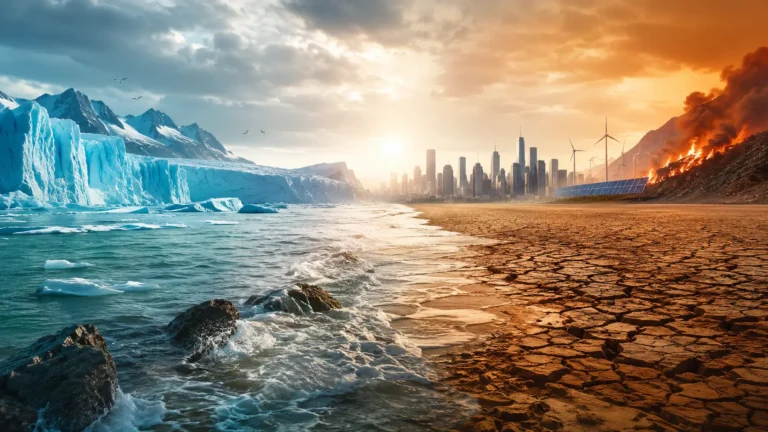

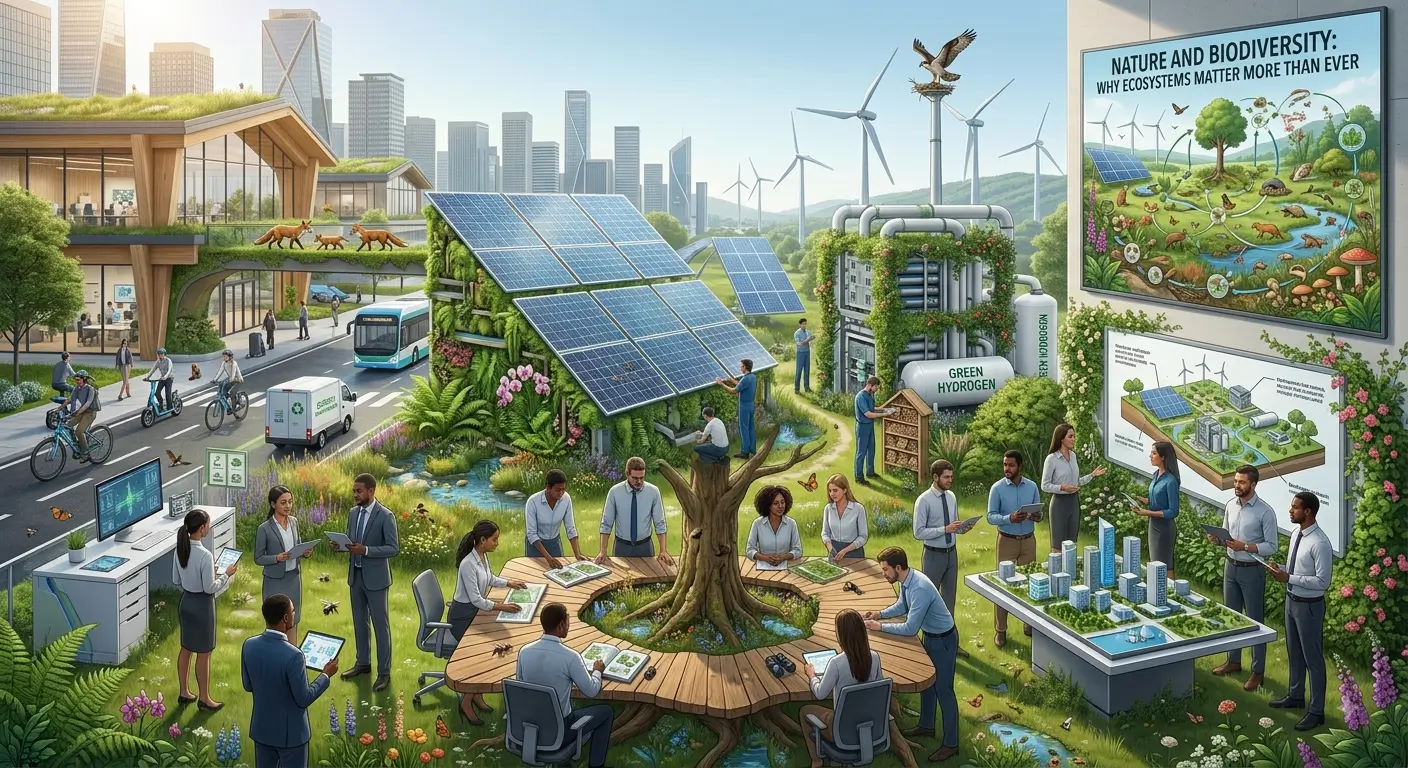
Climate change tends to dominate environmental discourse, but it represents only one part of a broader environmental picture, one that includes a genuinely significant, and often less discussed, crisis unfolding around biodiversity loss and ecosystem degradation. Understanding why healthy, functioning ecosystems matter — not just for their intrinsic value, but for the genuinely practical, sometimes economic benefits they provide — has become an increasingly important part of broader environmental literacy.
This article explores four areas central to understanding biodiversity and ecosystem health: what’s genuinely driving global biodiversity loss, the growing field of rewilding and ecosystem restoration, the surprisingly significant economic value of intact natural ecosystems, and what genuine, practical local ecosystem protection actually looks like.
Understanding Biodiversity Loss
Biodiversity loss refers to the ongoing reduction in the variety of life on Earth — species extinction, but also genetic diversity within species and the broader diversity of ecosystems themselves — and current scientific assessment suggests this loss is occurring at a rate significantly higher than natural background extinction rates observed throughout most of Earth’s history, representing a genuinely significant environmental concern in its own right, somewhat distinct from, though closely interconnected with, climate change.
Habitat destruction remains the single largest driver of biodiversity loss globally, primarily through agricultural expansion, urbanisation, and resource extraction that fragments or entirely eliminates natural habitat that species depend on for survival. Climate change compounds this pressure considerably, altering habitats and disrupting the delicate timing relationships — between, for instance, flowering plants and their pollinators — that many species and ecosystems depend on, sometimes faster than species are able to genuinely adapt to these shifting conditions.
Invasive species, pollution, and overexploitation of specific species through hunting, fishing, or harvesting all contribute further significant pressure, often interacting with and compounding the effects of habitat loss and climate change rather than operating as entirely separate, independent threats. This interconnected nature of biodiversity pressures means genuinely effective conservation efforts typically need to address multiple threats simultaneously, rather than focusing narrowly on a single driver in isolation from the broader, interconnected picture.
Rewilding and Ecosystem Restoration
In response to growing biodiversity loss, rewilding and broader ecosystem restoration have emerged as increasingly significant conservation approaches, moving beyond simply protecting remaining natural habitat towards actively restoring degraded ecosystems and, in some cases, reintroducing species that had been previously lost from specific areas entirely.
Rewilding specifically emphasises restoring natural ecological processes, sometimes including the reintroduction of key species — often predators or other species that play an outsized role in shaping broader ecosystem health, commonly referred to as keystone species — with the goal of allowing ecosystems to become more genuinely self-sustaining over time, rather than requiring ongoing, intensive human management indefinitely. Notable rewilding projects around the world have demonstrated genuinely remarkable ecosystem recovery in various cases, offering compelling evidence for this approach’s genuine potential, even as it inevitably remains most practically applicable to certain landscapes and contexts rather than serving as a universal conservation solution suitable everywhere.
Broader ecosystem restoration efforts, encompassing everything from wetland restoration to reforestation to marine habitat recovery, have similarly gained considerable momentum, increasingly recognised not just for their direct biodiversity benefit but for their significant role in broader climate change mitigation as well, given the substantial carbon storage capacity that many healthy, intact natural ecosystems genuinely provide alongside their core biodiversity value.
The Economic Value of Intact Ecosystems
Healthy ecosystems provide what economists and ecologists refer to as “ecosystem services” — tangible, often significantly valuable benefits to human society that frequently go unrecognised or unpriced within conventional economic frameworks, despite their substantial genuine economic importance when properly, rigorously assessed.
Pollination represents one of the most immediately tangible examples, with a substantial proportion of global food crop production depending, at least partially, on pollination services provided by wild insects and other pollinators, representing genuine and considerable economic value that conventional agricultural economics has historically significantly undervalued or entirely overlooked. Similarly, wetlands and forests provide substantial water filtration and flood management services, functions that would otherwise require considerably expensive engineered infrastructure to replicate artificially, if genuinely replicable through engineering means at all in many specific cases.
This growing recognition of ecosystem services’ genuine economic value has prompted increasing interest in incorporating natural capital more formally into broader economic decision-making and policy frameworks, moving beyond treating healthy ecosystems purely as an environmental or ethical consideration towards recognising their substantial, quantifiable economic value as well. This shift connects closely to broader conversations happening around genuinely innovative technological approaches to environmental challenges, since many emerging technologies increasingly aim to work with, rather than against, natural ecosystem processes in pursuit of both economic and environmental goals simultaneously.
Protecting Local Ecosystems: What Genuine Action Looks Like
While global biodiversity challenges can feel genuinely overwhelming in scale, meaningful ecosystem protection and restoration efforts happen substantially at the local level, offering genuine, practical opportunities for individuals and communities to contribute meaningfully to broader biodiversity goals, even without directly addressing global-scale drivers themselves.
Supporting and creating habitat for local wildlife, even at a genuinely modest, individual garden or community level, contributes cumulatively to broader biodiversity support, particularly valuable in increasingly urbanised environments where natural habitat has become considerably more fragmented and limited than in previous generations. Native planting, reducing pesticide use, and creating simple habitat features — log piles, ponds, appropriately managed hedgerows — can all genuinely support local biodiversity, even within a relatively small, individual outdoor space.
Community-level conservation initiatives, from local wildlife trusts to citizen science monitoring projects, offer further genuine opportunity for meaningful individual and community involvement in broader ecosystem protection efforts, often providing valuable data and on-the-ground support that complements larger-scale, more institutional conservation work. This kind of practical, local engagement increasingly benefits from and connects to emerging technology genuinely designed to support environmental monitoring and conservation more broadly , with new tools increasingly making meaningful citizen participation in genuine conservation science more accessible and impactful than in previous generations, when such participation typically required considerably more specialist expertise or institutional backing.
Understanding and protecting biodiversity represents an essential, if sometimes underappreciated, complement to broader climate action, given how deeply interconnected healthy ecosystems and a stable climate genuinely are. As both scientific understanding and practical restoration approaches continue to develop, the opportunity for genuine, meaningful action — from individual gardens to global policy — continues to expand considerably.