
The relationship between the natural environment and human wellbeing has been intuitively understood for generations, long before formal scientific research began systematically investigating and validating this connection. Yet only in recent decades has this relationship received the kind of rigorous scientific attention that’s helped move it from general intuition into genuinely evidenced understanding — one with real, practical implications for how we design cities, structure daily life, and think about mental health more broadly.
This growing body of evidence offers genuine, practical insight into how nature exposure specifically supports mental health and wellbeing. This article explores four dimensions of this relationship: the connection between green space access and mental health, the specific practice of nature therapy and forest bathing, the often-overlooked relationship between air quality and wellbeing, and practical ways to build more nature into daily life, regardless of location or circumstance.
Green Space and Mental Health
A substantial and growing body of research consistently demonstrates meaningful associations between access to green space and improved mental health outcomes, spanning reduced rates of depression and anxiety, improved mood and life satisfaction, and, according to some research, even measurable differences in specific brain activity patterns associated with stress and rumination when comparing time spent in natural versus urban environments.
This relationship appears to operate through several genuinely distinct, evidenced mechanisms. Green space provides genuine opportunity for physical activity, itself well-established as beneficial for mental health independent of its environmental setting, but green space also appears to offer additional, distinct psychological benefit beyond simply facilitating exercise — reduced cognitive fatigue, improved attention restoration, and a measurable, quantifiable reduction in stress hormone levels have all been associated specifically with time spent in genuinely natural, rather than purely urban or built, environments.
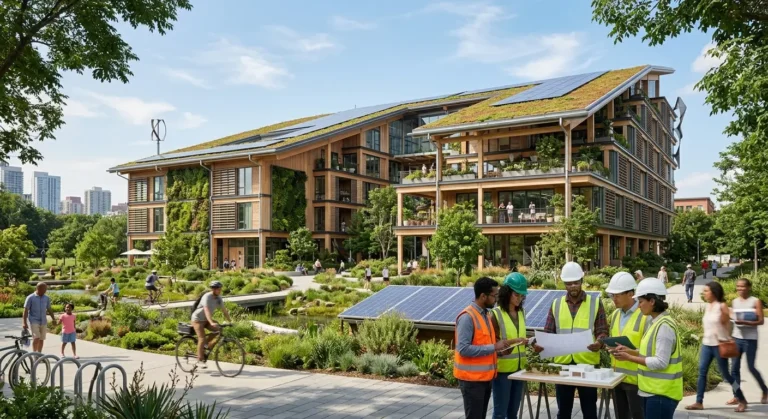
Urban planning has increasingly incorporated this evidence into practical policy, with growing recognition of green space access as a genuine public health consideration rather than a purely aesthetic or recreational amenity, prompting many cities to prioritise green space development and preservation more seriously than in previous generations of urban planning that often treated it as a lower priority relative to other, more purely economic or infrastructure development considerations.
Forest Bathing and Nature Therapy
Beyond simple, general green space access, more specific and structured nature-based therapeutic practices have gained considerable scientific and public attention in recent years, offering genuinely evidenced approaches for more intentionally and specifically harnessing nature’s wellbeing benefits.
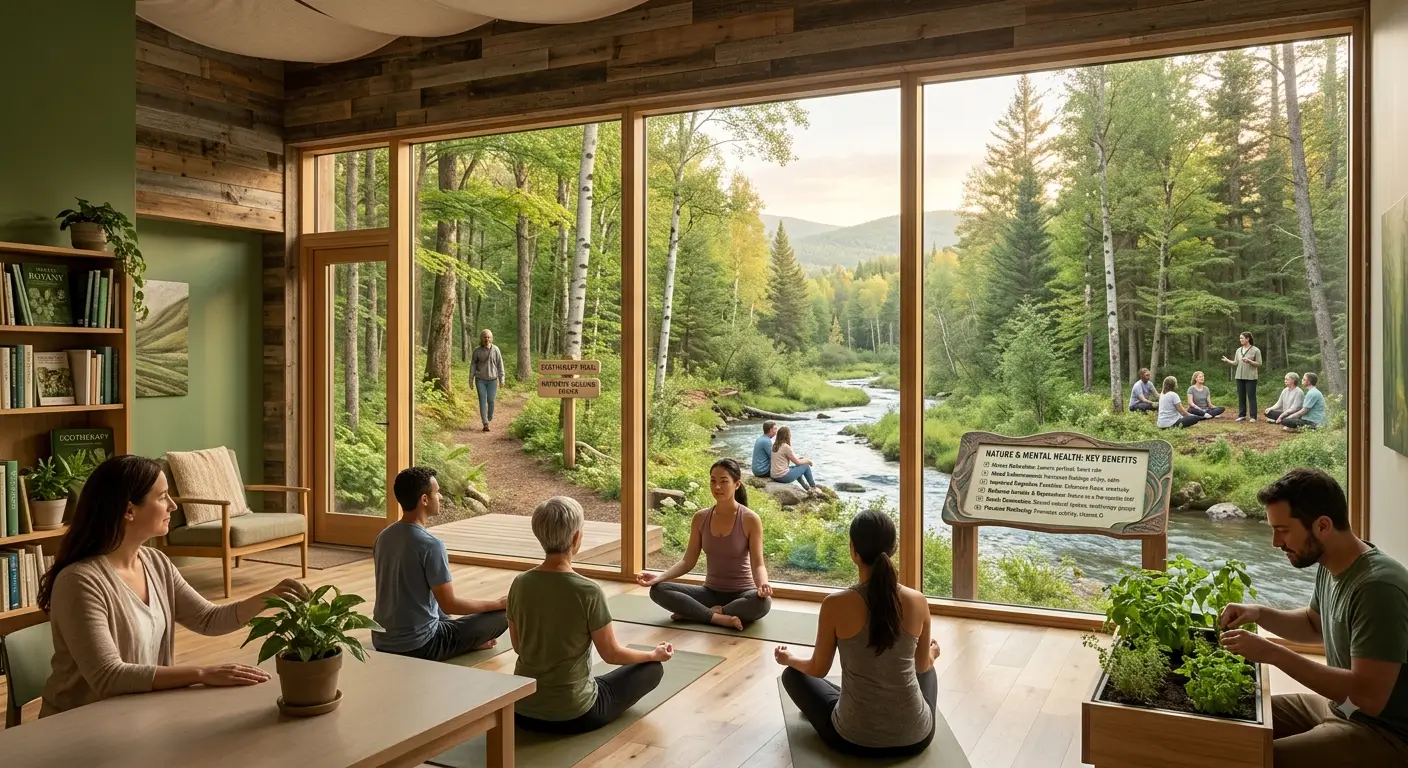
Forest bathing, originating from the Japanese practice of “shinrin-yoku,” involves mindful, unhurried immersion in forest environments, specifically engaging multiple senses rather than simply passing through a natural environment as incidental background to another primary activity like exercise or transit. Scientific research into this specific practice has identified measurable physiological benefits, including reduced levels of cortisol, the body’s primary stress hormone, alongside genuinely improved immune markers in some studies, lending real, substantive scientific credibility to what began as a more culturally specific traditional practice before receiving this broader rigorous scientific validation.
Nature therapy more broadly has expanded into recognised therapeutic practice, with some mental health professionals now incorporating structured nature-based interventions into formal treatment approaches, reflecting growing recognition of nature exposure’s genuine therapeutic potential, particularly for conditions like anxiety, depression, and stress-related disorders where evidence increasingly supports meaningful benefit from these kinds of nature-integrated therapeutic approaches, whether used as a primary intervention or, more commonly, as a valuable complement to more traditional therapeutic approaches.
Air Quality and Wellbeing
While mental health benefits of nature exposure often receive the most public attention, air quality represents a further, sometimes underappreciated dimension of how environment genuinely affects wellbeing, with a growing body of evidence connecting air pollution not just to well-established respiratory and cardiovascular health impacts, but increasingly to mental health and cognitive outcomes as well.
Emerging research has identified concerning associations between long-term air pollution exposure and increased risk of several mental health conditions, alongside measurable impacts on cognitive function and, in some studies, accelerated cognitive decline, adding an important, and previously underappreciated, mental health dimension to what has traditionally been understood primarily as a purely physical health concern. This research remains an actively developing area, but the accumulating evidence base is genuinely significant enough to warrant serious consideration within both public health policy and personal environmental decision-making more broadly.
This connection between air quality and broader wellbeing reinforces why environmental protection and public health should be understood as genuinely interconnected priorities, rather than separate policy domains addressed in isolation from one another. It also reinforces the personal, practical value of choices that genuinely support better air quality, whether through transport choices, or through the kind of everyday sustainable living decisions that collectively support both environmental and personal health outcomes simultaneously reflecting the genuinely interconnected nature of environmental and personal wellbeing.
Building Nature Into Daily Life
Translating the genuine, evidenced benefits of nature exposure into practical daily habits doesn’t require dramatic lifestyle change or regular access to pristine wilderness environments; meaningful benefit appears achievable through genuinely modest, consistent nature engagement, even within more urban or constrained everyday circumstances.
Even relatively brief, regular nature exposure — a short walk in a local park, time spent in a garden, or deliberately choosing a more green, nature-adjacent route for routine daily activities like commuting — appears to offer meaningful, cumulative wellbeing benefit, according to a growing body of supporting research. This is genuinely encouraging, since it suggests meaningful benefit doesn’t require dramatic, difficult-to-sustain lifestyle change, but rather consistent, modest engagement that most people can realistically incorporate into daily life regardless of their specific circumstances or location.
For those with access to outdoor space at home, thoughtfully designing that space to genuinely support regular engagement and use — rather than simply maintaining an underused, purely decorative outdoor area — can meaningfully support these same wellbeing benefits at a genuinely personal, daily level. This connects closely and naturally to thoughtful approaches to home and garden design that genuinely prioritise usability and connection to nature, reflecting a broader, welcome convergence between how we sustainably design our immediate personal environments and genuine evidence-based approaches to supporting our own long-term mental health and wellbeing.
The relationship between nature and mental health, once understood primarily through intuition and cultural tradition, now rests on a genuinely substantial and growing scientific foundation. This evidence offers not just validation of long-held intuitive understanding, but genuinely practical guidance for how individuals, communities, and policymakers alike might more intentionally harness nature’s wellbeing benefits going forward.